Understand the problem
What drives housing costs and holds back supply across Europe.

What drives housing costs and holds back supply across Europe.
How housing shapes who can live, work and build a future in our cities.
What governments and cities can do — and what might follow.
Matteo works at a digital agency in Milan, yet still sleeps in his childhood bedroom. He has a permanent contract; what he cannot find is a home he can afford. His story opens the book with a question that resonates across Europe: what happens when studying hard and finding work are no longer enough to start a life of your own?
Read the extract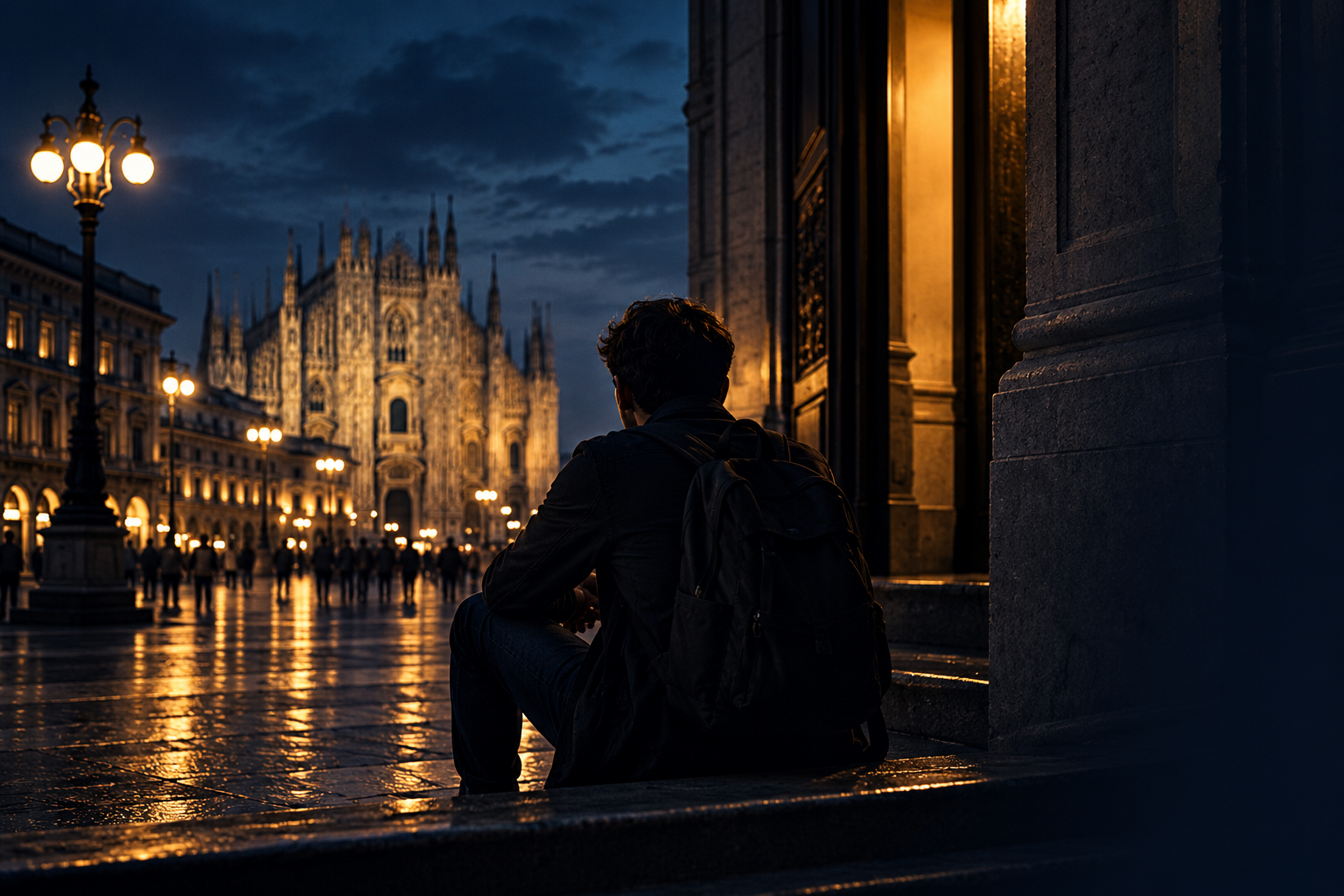
Qualified and employed, but unable to afford a home.
Essential workers far from the services they sustain.
How platforms reshape neighbourhoods.
The returns investors seek — and who gets housed.
Protection, incentives and the effects on supply.
Finance, construction and the energy transition.
The book examines which policies can expand supply, improve access to housing and prevent well-intentioned solutions from making the problem worse.
Industrialised construction and the rules holding back its expansion.
Vienna’s experience and the challenges of making it work elsewhere.
The role of patient capital in homes for people on ordinary wages.
When rent protection shrinks supply, or renovation displaces residents.

The answers are not simple. But they exist.
Discover the full analysis in The Closed Door.
A young man unable to leave home. A city pushing its workers further away. A neighbourhood reshaped by holiday lets. The Closed Door begins with these stories to explain why a home has slipped beyond the reach of so many Europeans.
Jaime Luque connects everyday experience with the decisions behind it: investment, rental rules, land and the barriers to building. He looks beyond the asking price to explain why the numbers no longer add up.
The book also examines ways forward, from industrialised construction and cost-based rents to long-term finance. It weighs their potential against their limitations, without pretending that a complex crisis has an easy answer.
Translated from the original Spanish edition.
The mayor of the Balearic village faces a brutal paradox.
The ghost neighbourhood is sustained by the financial gravity of global tourism. Having lost its traditional fishing and agricultural economy to globalisation several decades ago, the village now depends on the summer influx of the very same second-home owners who are pushing local residents out.
Absent foreign owners pay the municipal taxes that pave the streets, maintain the historic church square and fund the fire brigade. In August, they spend freely in the fish restaurants and hire local plumbers, electricians and contractors at premium rates to renovate their kitchens and maintain their swimming pools. Three months of summer capital sustain the remaining local businesses through nine desolate months of hibernation.

A look at Europe’s housing crisis, its causes and the decisions that can change it.
Available on Amazon